
یک قدم مانده تا بحران آب در کشور
تهران – ایرنا – با توجه به کاهش بارندگیها، کشور در مرحله تنش آبی قرار گرفته است، اگر کشوری بیشتر از ۱۷۰۰ متر مکعب به ازای هر نفر در سال آب داشته باشد از نظر منابع آبی مشکلی ندارد اما ما در سال ۱۳۹۱ از این مرز عبور کردیم و اگر از این میزان کمتر شود یعنی وارد تنش آبی شدهایم که اکنون در یک قدمی آن قرار داریم.
خشکسالی، کم بارشی و به دنبال آن کم آبی امروزه مشکل کشورهای زیادی از جمله ایران است، به ویژه ایران که بر روی کمربند خشک نیز واقع شده و این یعنی از زمان های دور خودبخود مدام با کم آبی دست و پنجه نرم می کرده که ایجاد قنات و تقسیم مهندسی آب در زاینده رود از شاهکارهای شیخ بهایی؛ گواه این ادعاست، در واقع مردم پذیرفته بودند که آب در کشور کم است پس باید با داشته های خود مدارا کنند تا با مشکل مواجه نشوند.
اما چند سالی است همگام با توسعه صنعتی و کشاورزی به نظر می رسد از داشته ها و منابع آبی موجود افسارگسیخته استفاده شده که نتیجه آن وارد شدن به شرایط تنش آبی و قرار گرفتن در یک قدمی بحران آبی در کشور است، در واقع اینکه کشوری وارد تنش یا بحران آبی شده شاخصی است که بر اساس میزان موجودی آب در هر متر مکعب به ازای هر نفر در سال سنجیده می شود، با توجه به این شاخص اگر کشوری بیشتر از ۱۷۰۰ متر مکعب به ازای هر نفر در سال آب داشته باشد آن کشور از نظر منابع آبی مشکلی ندارد و اگر از این میزان کمتر شود به مرور به تنش آبی و در نهایت بحران آبی می رسد که الان کشور ما در مرز تنش آبی و یک قدمی بحران آبی قرار دارد. البته بخش هایی از کشور در مرحله بحران آبی قرار دارد اما در مجموع در کشور هنوز به آن مرحله نرسیده ایم.
مدیر مرکز تحقیقات آب و فاضلاب در گفت و گو با خبرنگار محیط زیست ایرنا گفت: اکنون کشور در جایگاهی قرار گرفته که به علت شرایط حدی و اقلیمی میانگین بارش ها از میانگین بلند مدت مشابه آن پایین تر آمده است.
عباس اکبرزاده افزود: در بهترین حالت باید انتظار داشت که کشور به میانگین بلند مدت بارش ها باز گردد، در واقع طی صدها و هزاران سال میانگین بارش در کشور ۲۵۰ میلیمتر در سال بوده که اکنون به حدود ۲۰۰ میلیمتر در سال کاهش یافته و همچنان نیز در حال کمتر شدن است، پیش بینی ها نشان می دهد که بارش ها تا سال ۲۰۵۰ همچنان روبه کاهش خواهد بود. بنابراین شرایط به گونه ای نخواهد بود که اگر مدت کوتاهی بارش داشته باشیم مردم گمان کنند که وضعیت عادی شده است.
پیش بینی های برخی از مجامع بین المللی نشان می دهد که ایران در سال ۲۰۵۰ به سرانه ۵۰۰ متر مکعب آب به ازای هر نفر خواهد رسید که فاجعه بار خواهد بود
وی اظهار داشت: مساله ای که امروزه در زمینه میزان بارش ها وجود دارد موضوع تنش و بحران آبی است، بررسی ها و شرایط منابع آبی نشان می دهد که اکنون تقریبا تمام کشور در مرز تنش آبی قرار گرفته است، واژه تنش آبی یک شاخص بسیار مهم بوده که بر اساس آن وضعیت بحران و تنش آبی یک کشور ارزیابی و تحلیل می شود، در واقع مبنای این شاخص میزان آب موجود تجدیدپذیر بر اساس متر مکعب به ازای هر نفر در سال است. یعنی اگر کشوری بیشتر از ۱۷۰۰ متر مکعب به ازای هر نفر در سال آب داشته باشد این کشور از نظر منابع آبی وضعیتی عادی دارد.
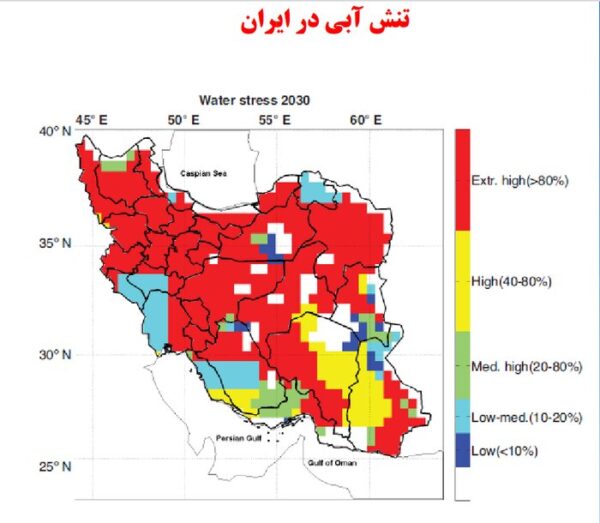
وی در پاسخ به اینکه اکنون کشور ما در چه وضعیتی از منابع آبی قرار دارد گفت: ما در سال ۱۳۰۰ حدود ۱۷ هزار متر مکعب آب به ازای هر نفر داشتیم یعنی جزو کشورهای بسیار پرآب بودیم البته باید توجه داشته باشیم که آن سال تعداد جمعیت هم در کشور کم بود یعنی اگر همان ۲۵۰ میلیمتر در سال بارندگی داشتیم را بر تعداد تقسیم می کردیم عدد بزرگی می شد، بعد از آن روند افزایش جمعیت و همگام با آن کاهش بارش ها را تجربه کردیم، به طوری که با گذشت چند دهه کاهش بارش ها همراه با افزایش جمعیت، کشور وارد مرحله تنش آبی شده است. به طور مثال جمعیت در کشور در سال ۱۳۰۰ کمتر از ۲۰ میلیون نفر و میزان آب در دسترس به ازای هر نفر در همین سال ۴۵۰۰ متر مکعب بوده است که با مرز ۱۷۰۰ متر مکعب در سال فاصله زیادی داشته ایم. اما این عدد حدفاصل سال های ۱۳۹۰ تا ۱۳۹۱ به ۱۷۰۰ متر مکعب در سال نزدیک شد و اگر این میزان از ۱۰۰۰ متر مکعب به ازای هر نفر در سال پایین تر رود از تنش آبی وارد بحران آبی خواهیم شد.
کشور از سال ۱۴۰۱ بین دو مرز تنش آبی و بحران آبی قرار گرفته است.
عضو هیات علمی موسسه تحقیقات آب افزود: در سال ۱۳۹۰ تا ۱۳۹۲ و به طور واضح در سال ۱۳۹۳ به مرز ۱۷۰۰ متر مکعب آب به ازای هر نفر در سال رسیدیم که به معنای ورود به تنش آبی بود، در واقع تا این سال هنوز ۱۷۰۰ متر مکعب به ازای هر ایرانی سرانه آب تجدید شونده در دسترس بوده است، اما در حال حاضر و سال ۱۴۰۱ عدد فوق بین دو مرز تنش آبی و بحران آبی قرار گرفته است. البته این به آن معنا نیست که تمام کشور اینگونه باشد، یعنی در حال حاضر مکان هایی از کشور وجود دارد که در شرایط بهتر یا بدتری هستند و این آمار میانگین بوده بنابراین هنوز به لحاظ علمی بحران آبی وجود ندارد بلکه تنش آبی داریم. بنابراین با یک سری اقدامات می توانیم در آینده انتظار داشته باشیم که وضعیت را بهبود داده و به مرز بحران وارد نشویم اما اگر همین روند مصرف و نحوه مدیریت را ادامه دهیم چندان امیدی وجود نخواهد داشت.
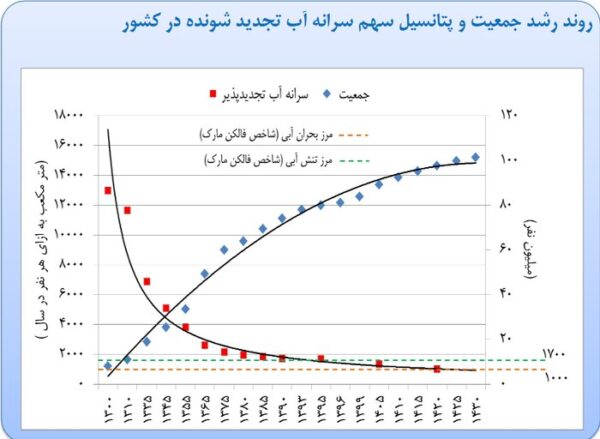
نمودار فوق نشان دهنده آن است که کشور به سمت بحران آب و شاخص پایین تر از ۱۰۰۰ متر مکعب در سال(بحران آبی) پیش می رود.
وی اظهار داشت: پیش بینی های برخی از مجامع بین المللی نشان می دهد که ایران در سال ۲۰۵۰ به سرانه ۵۰۰ متر مکعب آب به ازای هر نفر خواهد رسید که فاجعه بار خواهد بود. اما با فناوری های نوین می توان مشکل فوق را مدیریت و حل کرد زیرا برای گذر از این مرحله استراتژی هایی وجود دارد که در صورت اجرایی شدن آنها و استفاده از ایده های نوین و فناورانه می توان از بروز فاجعه پیشگیری کرد.
اکبرزاده در پاسخ به اینکه برای مقابله با بحران کم آبی که در کمین ما نشسته چه باید کرد گفت: استراتژی هایی برای مقابله با بحران آبی وجود دارد، سوال این است که چه کاری می توانیم انجام دهیم؟ وظیفه مردم و دولت چیست؟ تمام کارهایی که می توانیم انجام دهیم در دو دسته اقدام تقسیم بندی می شود. اول اقداماتی که می توان در حوزه مدیریت مصرف انجام داد و دوم اقداماتی که در حوزه تولید قابل انجام است، یعنی در مرحله اول با کمک مردم مصرف آب در کشور مدیریت شود و در مرحله دوم مسئولانی که وظیفه تولید آب را دارند باید با راهکارهای جدیدی که الزاما روش های متعارف نیست تولید را افزایش دهند.
وی درباره روش های متعارف توضیح داد: روش های متعارف همان روش های معمول طبیعی است که آب وارد رودخانه و سپس پشت سدها و بعد از آن از طریق شبکه آبرسانی به دست مردم می رسد، حال در اینجا سوالی پیش می آید مبنی بر اینکه آیا می گوییم روش های متعارف باید جمع شود؟ خیر باید همچنان ادامه یابد اما چون ورودی کاهش یافته است، خروجی نیز بالطبع کاهش خواهد یافت. بنابراین در این بخش نوآوری خاص با اثر بخشی بالا را نمی توان انجام داد.
از مهمترین مصادیق در حوزه مدیریت مصرف، رسانه ها هستند که در راستای آگاهی رسانی و فرهنگ سازی در جهت مصرف بهینه می توانند نقش مهمی داشته باشد.
مدیر مرکز تحقیقات آب و فاضلاب ادامه داد: بخش بعدی استفاده از منابع نامتعارف آب است مانند نمک زدایی از آب های شور و لب شور، استفاده از پساب تصفیه شده، بازچرخانی آب مصرف شده (آب حاصل از سینک ظرفشویی، حمام و یا ماشین لباسشویی بجز آبی که وارد سرویس های بهداشتی شود آب خاکستری است که با بازچرخانی دوباره قابل مصرف است) البته منابع دیگری مانند آب های ژرف هم وجود دارد که جزو آب های استراتژیک محسوب می شوند و استفاده از آن ها بایستی با رعایت ملاحظات خاصی صورت گیرد به ویژه آبهای فسیلی که فقط در زمان های بحرانی از آنها استفاده می شود.
وی افزود: از مهمترین مصادیق در حوزه مدیریت مصرف، رسانه ها هستند که در راستای آگاهی رسانی و فرهنگ سازی در جهت مصرف بهینه می توانند نقش مهمی داشته باشد. در برخی کشورها ضریب تاثیر استفاده از رسانه های اجتماعی برای مدیریت کم آبی بسیار بالا است که شاید در ایران چندان به عنوان راهکار اساسی به آن فکر هم نمی شود. موضوع بعدی تدوین استانداردهای لازم در این حوزه است که قطعا احتیاج به همکاری سایر وزارتخانه ها و سازمان ها دارد که در چند سال اخیر اقدامات خوبی در این زمینه صورت گرفته است.
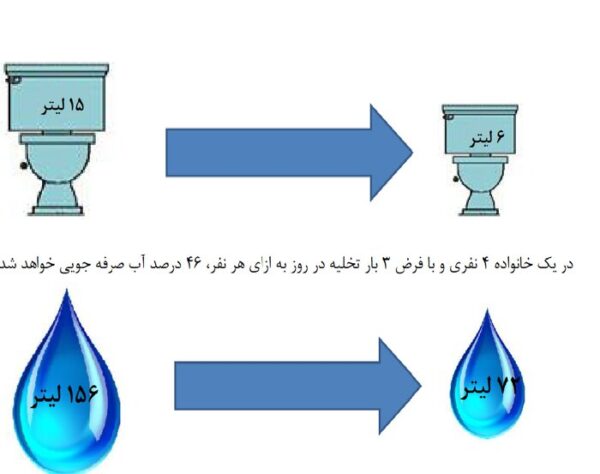
اکبرزاده اظهار داشت: مثال بسیار خوبی که در این حوزه وجود دارد حجم فلاش تانک ها در سرویس های بهداشتی است، پیش از این مخازن فلاش تانک ها بسیار بزرگ بود و پیشنهاد می شد برای اینکه آب کمتری در آن جای گیرد و هدر نرود داخل مخازن آجر و یا بطری نوشابه استفاده شود. اما این کار چندان عملی نبود، در واقع اساسا این راهکار عملی نبود و می بایست راه درستی پیشنهاد می شد. به همین جهت تدوین استانداردها در این زمینه آغاز شد، بر این اساس استاندارد فلاش تانک ها اصلاح شد، قبلا مخازن فلاش تانک ها تا ۱۵ لیتر آب را در خود جای می داد و در واقع با هر بار مصرف این میزان آب شرب به هدر می رفت اما در استانداردهای جدید ظرفیت مخازن به حدود ۶ لیتر کاهش یافت، با این کار از هدر رفتن حجم زیادی از آب جلوگیری می شود. بنابراین می توان دید یک ایده و تفکر به ظاهر ساده چقدر می تواند در کاهش مصرف آب و کیفیت تجهیزات موثر باشد.
وی ادامه داد: مثال سوم در حوزه مدیریت مصرف، استفاده از ادوات کاهنده مصرف آب است که به دُرافشان معروف هستند، در این فناوری هوا و آب به طوری با هم مخلوط می شوند که همزمان با مصرف آب کمتر، احساس رضایت مصرف کنندگان هم کاهش نیابد. با این روش حدود ۲۰ درصد مصرف آب کاهش خواهد یافت که عدد بسیار بزرگی است. اما در ایران به علت کیفیت نامطلوب ادوات کاهنده، آن ها را از سرشیرها باز کرده و کنار می گذارند، به همین جهت به نظر می رسد که ادوات کاهنده وسایل خوبی نیستند در حالی که عملا در کاهش مصرف آب بسیار تاثیر گذارند.
عضو هیات علمی موسسه تحقیقات آب گفت: مثال چهارم بهینه سازی مصرف آب در کشاورزی است، عدد و رقمی که بانک جهانی برای این بخش با هدف مقابله با بحران کم آبی در منطقه منا یعنی منطقه شمال آفریقا و خاورمیانه برآورد کرده حدود ۴۰ درصد است، به عبارت دیگر اگر در کشاورزی از سیستم های نوین آبیاری استفاده شود می توان انتظار داشت تا ۴۰ درصد در مصرف آب صرفه جویی کرد، البته منظور از ۴۰ درصد از کل مصرف آب نیست بلکه میزان مصرف آب در بخش کشاورزی است که آن هم در کشور بین وزارت نیرو و جهاد محل اختلاف نظر است. وزارت نیرو عدد ۹۲ درصد مصرف آب در بخش کشاورزی را مطرح می کند اما وزارت جهاد کشاورزی این عدد را ۷۰ درصد اعلام می کند، البته می دانیم که ۷۰ درصد مربوط به کشورهای جهان اول است؛ به هر حال هر مقدار آبی که در کشاورزی مصرف می شود ۴۰ درصد آن به این طریق می تواند کاهش یابد که تاثیر بسیار بزرگی در مدیریت مصرف خواهد داشت.
وی تاکید کرد: البته رسیدن به این عدد کاملا عملی است، با توسعه سیستم های نوین آبیاری، گسترش کشت گلخانه ای و تغییر الگوی کشت می توان به این عدد دست یافت. مثلا وقتی هندوانه که گیاهی آب بر است کاشته نشود و جای آن گیاهی که آب کمتری مصرف می کند کاشته شود و با ارزش افزوده آن هندوانه خریداری و وارد کشور شود؛ این یعنی اینکه آب در کشاورزی به صورت بهینه مصرف شده است، یا استفاده از روش های نوین آبیاری که آب را در معرض تبخیر قرار نمی دهد بلکه با لوله آب را به اندازه نیاز گیاه در کنار ریشه رها می کند که مثال عملی دیگری برای رسیدن به آن ۴۰ درصد کاهش آب خواهد بود.
وزارت نیرو عدد ۹۲ درصد مصرف آب در بخش کشاورزی را مطرح می کند اما وزارت جهاد کشاورزی این عدد را ۷۰ درصد اعلام می کند، البته می دانیم که ۷۰ درصد مربوط به کشورهای جهان اول است
اکبرزاده گفت: مساله بعدی در بخش مدیریت آب، توسعه و بهینه سازی روش های متعارف مانند تصفیه خانه ها است که می توان از روش هایی استفاده کرد که آب هدر رفت کمتری داشته باشد یا در روند انتقال تبخیر کمتر صورت گیرد. مثلا در دنیا سطح دریاچه ها را با گوی های مشکی می پوشانند تا آب تبخیر نشود. حتی در برخی مکان ها با استفاده از پانل ها روی دریاچه را سایه می کنند و علاوه بر جلوگیری از تبخیر آب از آن برق هم تولید می کنند، موارد فوق در حوزه بهینه سازی روش های متعارف است. البته در کشور به دلیل کاهش بارش ها روش های متعارف تاثیر بالایی نخواهند داشت، هر چند بسیار مهم هستند زیرا از همان میزانی هم که وجود دارد باید مراقبت به عمل آورد.