
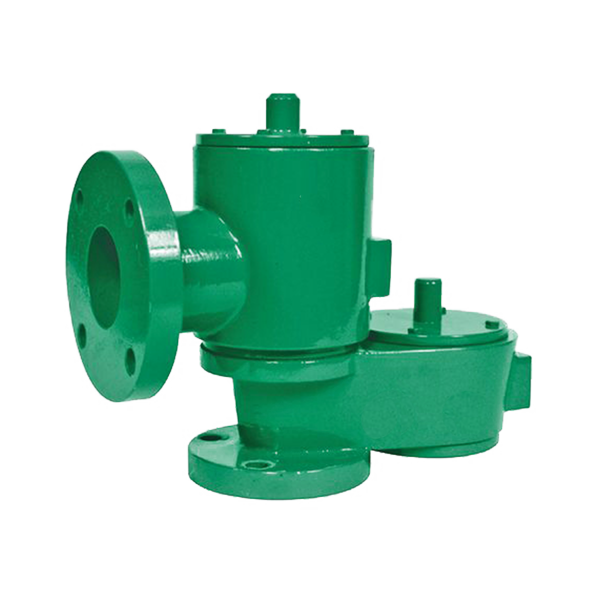
Introduction to Breather Valve (Pressure/Vacuum Relief Valve)

The Breather Valve, also known as a Pressure/Vacuum Relief Valve, is a key safety device for storage tanks, industrial tanks, and silos, designed to protect the tank against excessive pressure or vacuum. These valves provide a controlled path for gas entry or release, preventing damage caused by overpressure or vacuum conditions inside the tank. In other words, the Breather Valve is a passive, mechanical safety system that maintains internal tank pressure balance with the external environment.

These valves are widely used in the oil, gas, petrochemical, chemical, and power industries. During filling or emptying operations, vapors or air can create positive or negative pressure. Without a Breather Valve, these pressures may lead to deformation, rupture, or severe damage to the tank structure. Installing a Breather Valve enables precise pressure and vacuum control, enhancing process safety and extending equipment life.
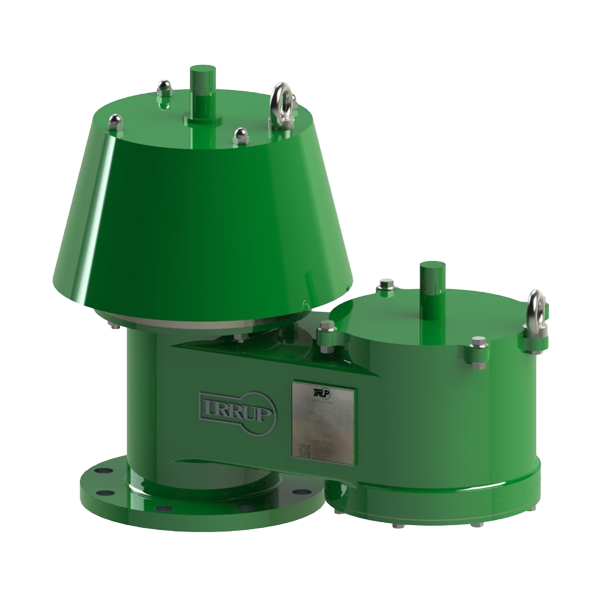
How the Breather Valve Works

The Breather Valve is a mechanical valve that remains closed up to its design pressure or vacuum limit. When the internal tank pressure reaches a critical point, the valve automatically opens to release excess gas or vapors in a controlled manner. Conversely, if the tank vacuum exceeds the permissible limit, the valve allows air or gas to enter the tank, restoring internal pressure balance.

This mechanical operation requires no external power and provides a rapid response in emergency conditions.

Breather Valves can operate bidirectionally, controlling both overpressure and excessive vacuum. The valve design, including the spring, diaphragm, gasket, and body, ensures quick and reliable response under various operating conditions.

Applications and Importance of Breather Valve

Breather Valves are used across multiple industries and play a critical role in protecting equipment. Common applications include:

  • Fuel and chemical storage tanks
  • Process tanks
  • Powder and bulk silos
  • Reactor tanks
  • Industrial gas storage systems

In processes where tank filling and emptying create pressure variations, the Breather Valve prevents excessive pressure or vacuum, protecting against mechanical damage and explosion hazards. Selecting the appropriate valve with proper venting capacity and precise operating pressure is essential for maintaining system safety and stable performance.

Advantages and Added Value of Using a Breather Valve

  • Controlled pressure relief: Reduces the risk of tank rupture or damage caused by pressure or vacuum.
  • Enhanced safety: Protects personnel and equipment.
  • Reduced emergency repair costs: Minimizes downtime and maintenance.
  • Long service life: Durable design suitable for harsh industrial environments.
  • Improved operational efficiency: Ensures stable process performance.
  • Corrosion and temperature resistance: Enables reliable long-term operation.

Key Components and Materials

A Breather Valve typically consists of:

  • Main body
  • Diaphragm or spring mechanism
  • Gasket
  • Tank mounting system

Materials are selected based on fluid type, operating pressure, and environmental conditions, and commonly include carbon steel, stainless steel, and corrosion-resistant alloys. Precise diaphragm and spring design ensure rapid valve response and reliable operation under varying pressure and vacuum conditions.

Design, Installation, and Maintenance

Breather Valve design must comply with design pressure and vacuum limits, operating temperature, fluid type, and international standards. Proper installation, including correct orientation and verification of clearances and tolerances, is essential for safe and reliable performance.

Periodic maintenance includes inspecting for corrosion, checking spring or diaphragm function, testing valve opening and closing, and replacing gaskets. These measures ensure long-term safety and consistent valve performance.

Conclusion

The Breather Valve (Pressure/Vacuum Relief Valve) is a vital safety device for protecting tanks and storage equipment against overpressure and vacuum conditions. Accurate engineering design, durable materials, proper installation, and regular maintenance ensure safe and stable system operation. Using a Breather Valve enhances process safety, reduces equipment damage risk, prevents emergency shutdowns, and improves operational efficiency in the oil, gas, petrochemical, and chemical industries, making it an essential component in the design of secure storage systems.

Types of Pressure Control and Explosion Protection Equipment

فهرست